

We are solving various challenges in each field.
Used as a crimping machine for HUB bearings, for recompressing sintered parts (valve seats),
Flange forming for dowel pins (SKD material) of automotive differential pinions and welded joints.
We can handle a variety of applications, including aluminum wheel forming and sprocket forming.
-
CASE 1Face spline (first step)
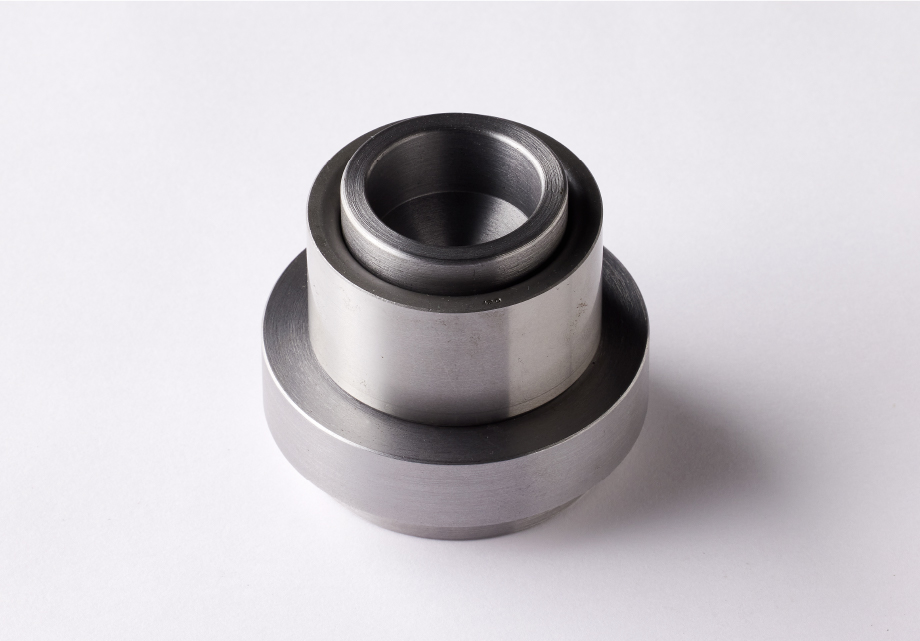
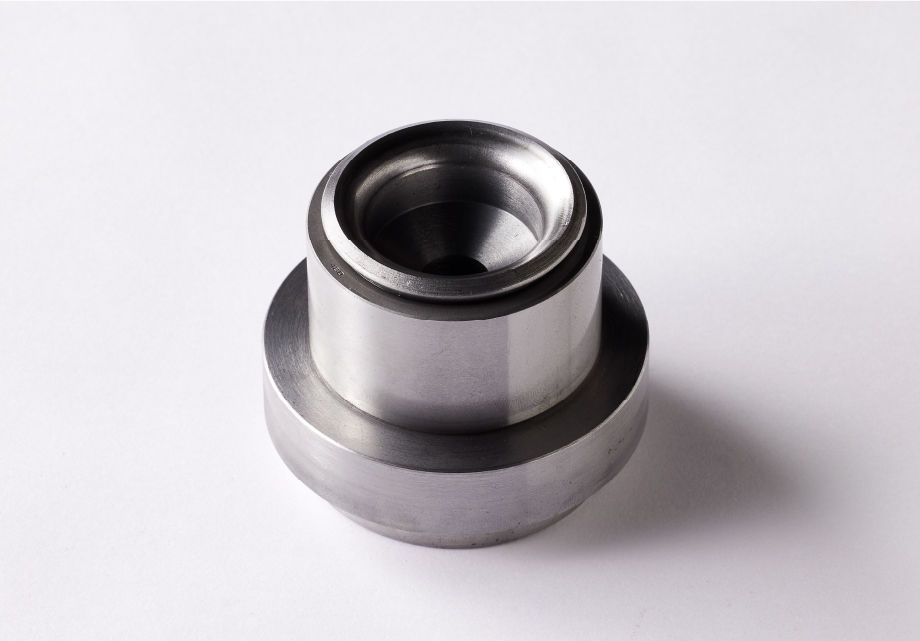
These automotive hub bearings, manufactured at our BAIZOU facility, are installed between the disc brake and suspension components. To ensure proper power transmission, the internal structure is precisely machined with a unique shape. Our facility is the only one of its kind in Japan for automotive hub bearing processing, and we have received orders from overseas hub bearing manufacturers.
[First step]
This process involves machining the cylindrical end face into an R-shape.
--------------------
●Machine used: BAIZOU 30-ton machine ●Material: S45C ●Control method: Positioning control ●Orbital angle: 5 degrees ●Orbital speed: 300 (rpm) ●Pressurizing force: 15 tons ●Processing time: 15 seconds -
CASE 2Face spline (second step)
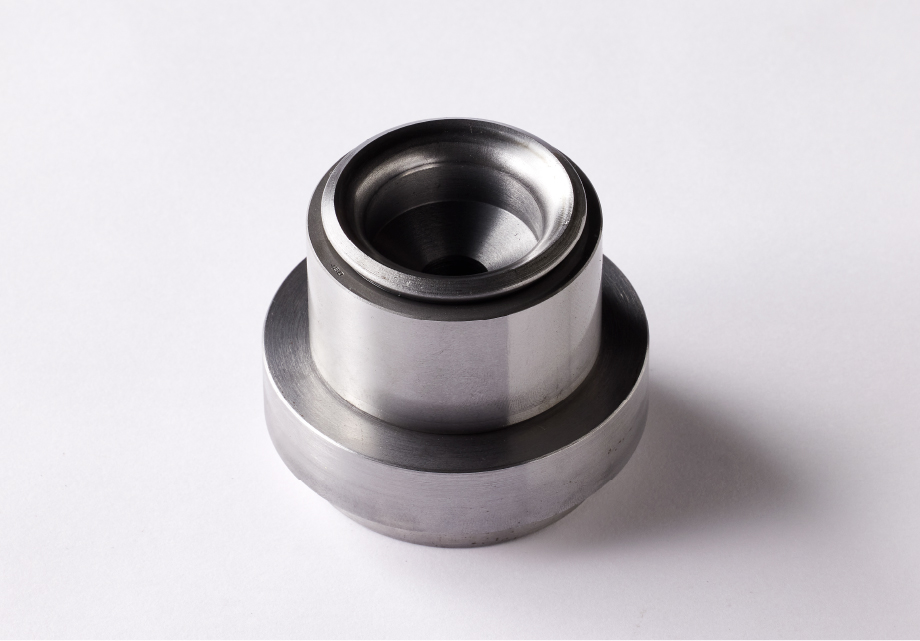
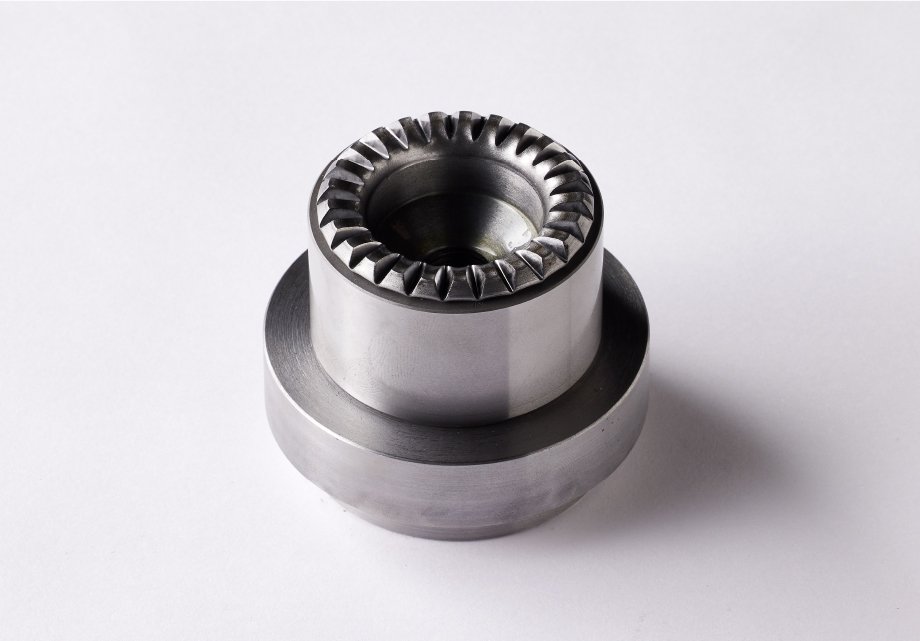
These automotive hub bearings, manufactured at our BAIZOU facility, are installed between the disc brake and suspension components. To ensure proper power transmission, the internal structure is precisely machined with a unique shape. Our facility is the only one of its kind in Japan for automotive hub bearing processing, and we have received orders from overseas hub bearing manufacturers.
Face splines: Conventionally, internal splines (shaft splines) are used to fasten the shaft and housing. Fastening with face splines increases the transmitted torque, eliminates the need for a splined shaft, resulting in overall weight reduction and improved ease of assembly and replacement. Currently, this type is gradually replacing the existing bearings in tire bearings in the automotive industry.
[Second process]
This is the process of machining the spline shape.
--------------------
●Machine used: BAIZOU 30-ton machine ●Material: S45C ●Control method: Positioning control ●Orbital angle: 5 degrees ●Orbital speed: 300 (rpm) ●Pressurizing force: 8 tons ●Processing time: 15 seconds -
CASE 3CVJ
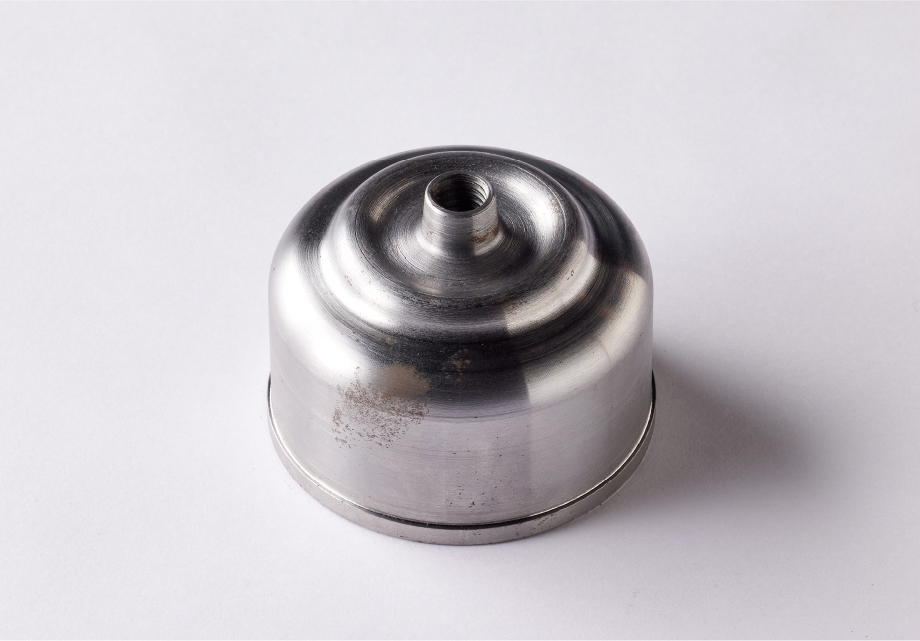
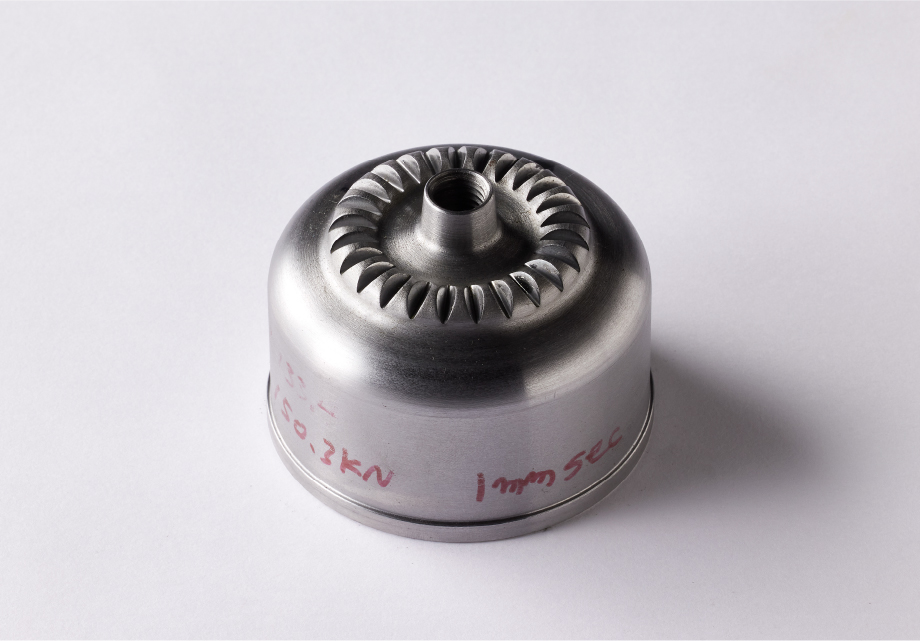
This is a joint (connection point) for stably transmitting engine power to the wheels. It is used in conjunction with the face spline in CASE 1.
This is the process of machining the spline shape.
--------------------
●Machine used: BAIZOU 30-ton machine ●Material: S45C ●Control method: Positioning control ●Orbital angle: 5 degrees ●Orbital speed: 300 (rpm) ●Pressurizing force: 8 tons ●Processing time: 15 seconds -
CASE 4Aluminum flange forming (A5052)
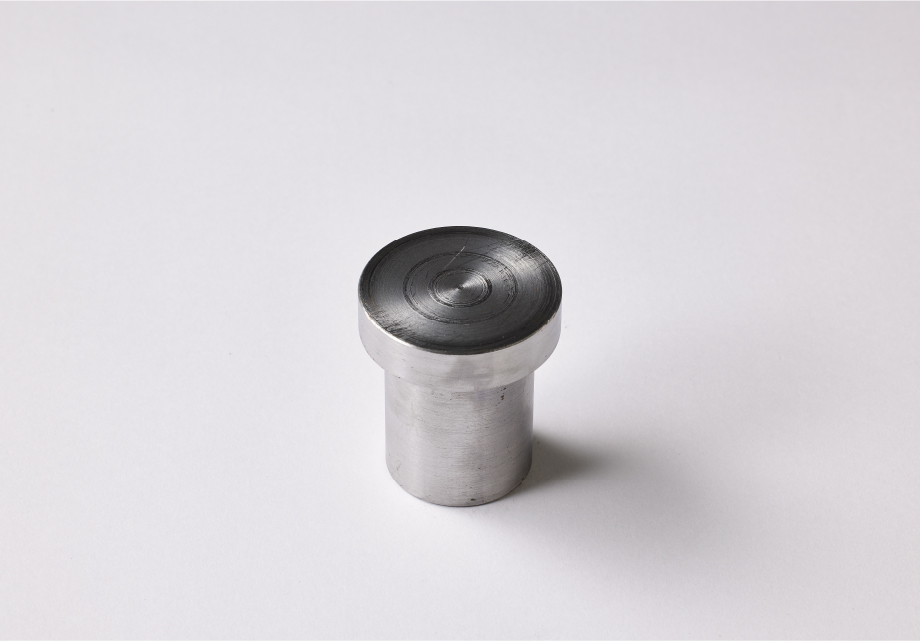
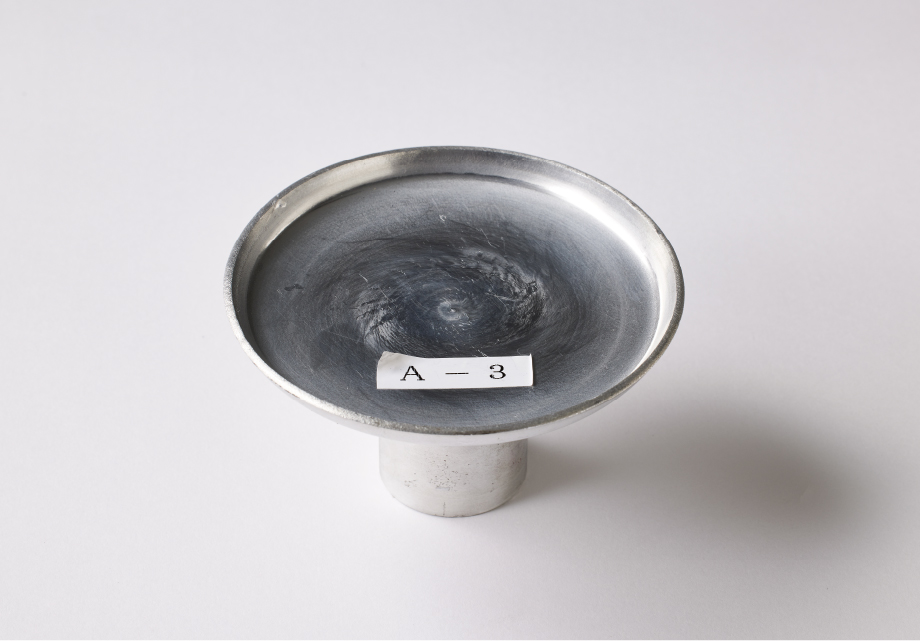
We verified how much a flange-shaped workpiece made of aluminum (A5052) stretches.
--------------------
●Machine used: BAIZOU 30-ton machine ●Material: A5052 ●Material diameter: φ40 x 10 (flange section) ●Control method: Pressure control ●Orbital angle: 5 degrees ●Orbital speed: 300 (rpm) ●Pressurizing force: 15 tons ●Processing time: 15 seconds
[Workpiece shape change]
●Outer diameter (mm): φ40 → φ90 ●Thickness (mm): 10 → 1.8 -
CASE 5Copper flange forming (C1100)
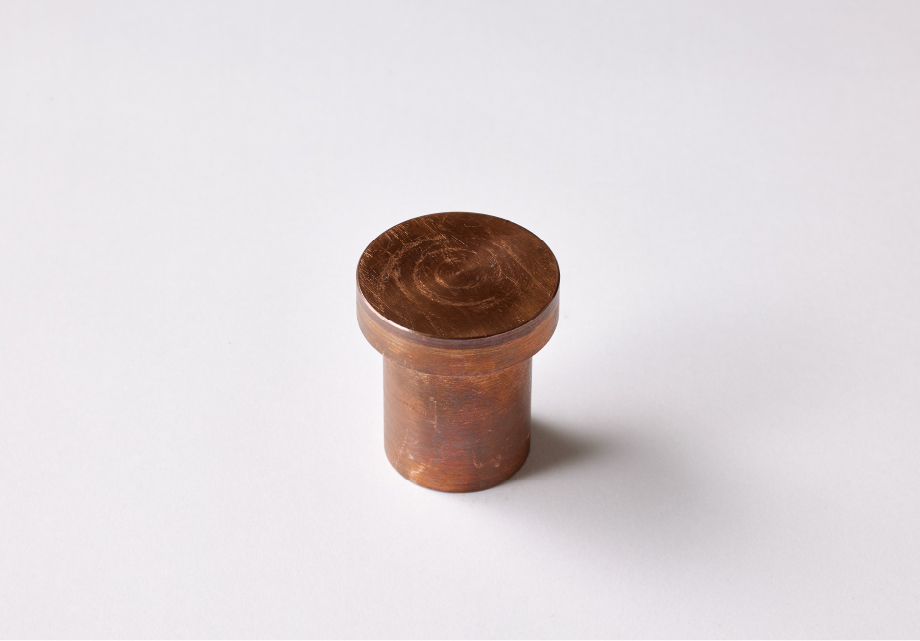
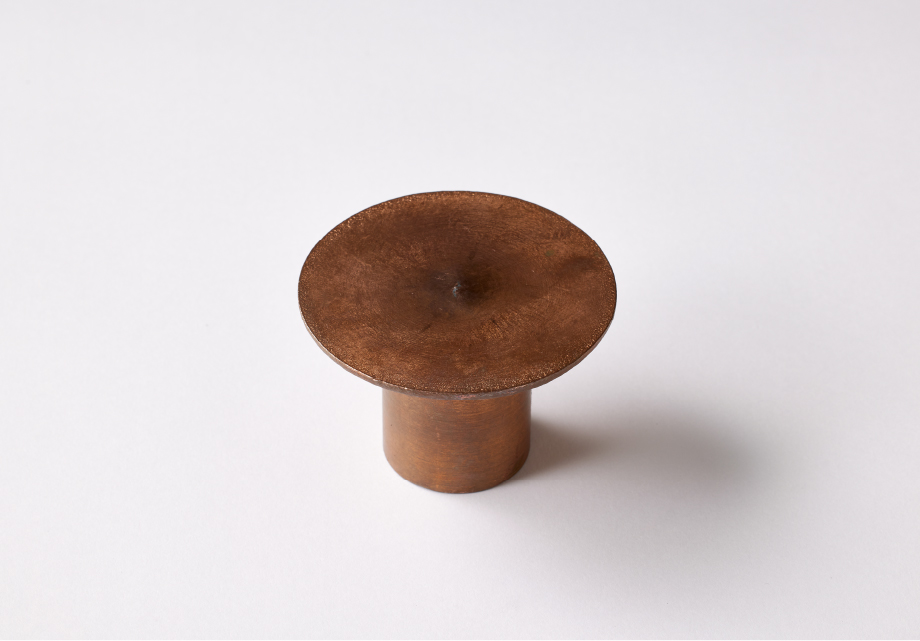
We verified how much a flange-shaped workpiece made of tough pitch copper (C1100) stretches.
--------------------
●Machine used: BAIZOU 30-ton machine ●Material: C1100 ●Material diameter: φ40 x 10 (flange section) ●Control method: Pressure control ●Orbital angle: 5 degrees ●Orbital speed: 300 (rpm) ●Pressurizing force: 15 tons ●Processing time: 15 seconds
[Workpiece shape change]
●Outer diameter (mm): φ40 → φ62 ●Thickness (mm): 10 → 3.7 -
CASE 6SCM420 flange forming
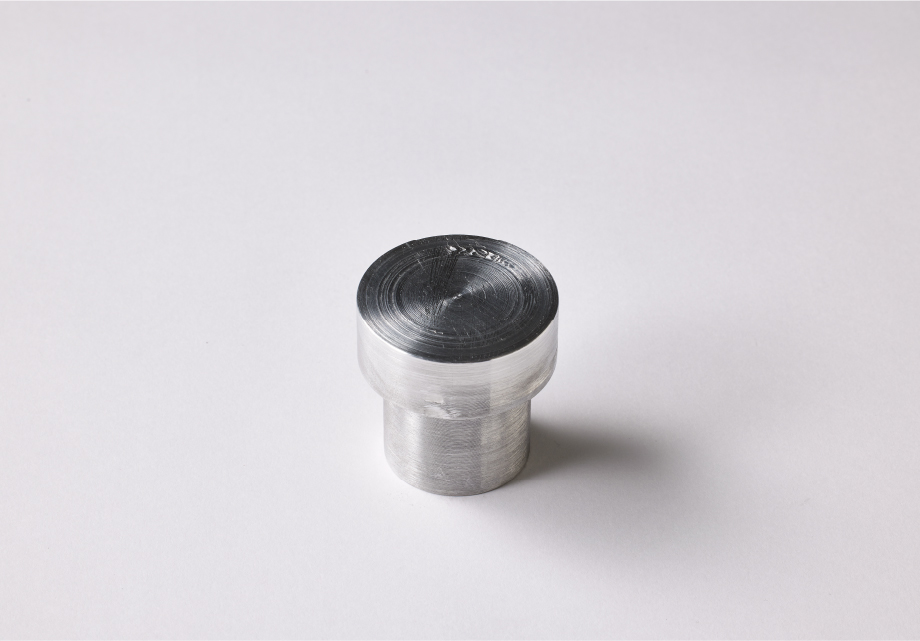
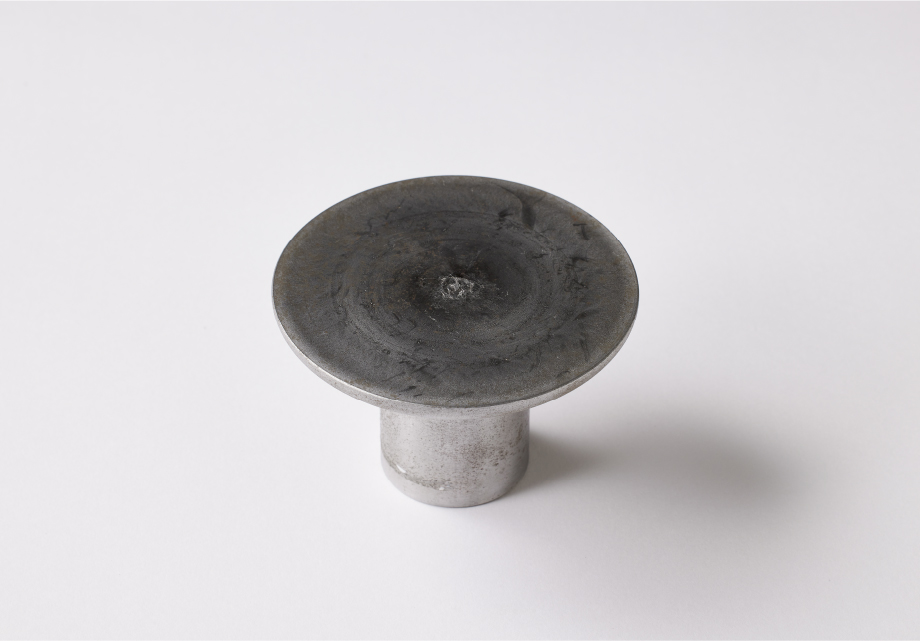
We verified how much a flange-shaped workpiece made of SCM420 material stretches.
--------------------
●Machine used: BAIZOU 30-ton machine ●Material: SCM420 ●Material diameter: φ40 x 20 (flange section) ●Control method: Pressure control ●Orbital angle: 5 degrees ●Orbital speed: 300 (rpm) ●Pressurizing force: 30 tons ●Processing time: 15 seconds
[Workpiece shape change]
●Outer diameter (mm) / φ40 → φ70 ●Thickness (mm) / 20 → 6 -
CASE 7SUS304 flange forming
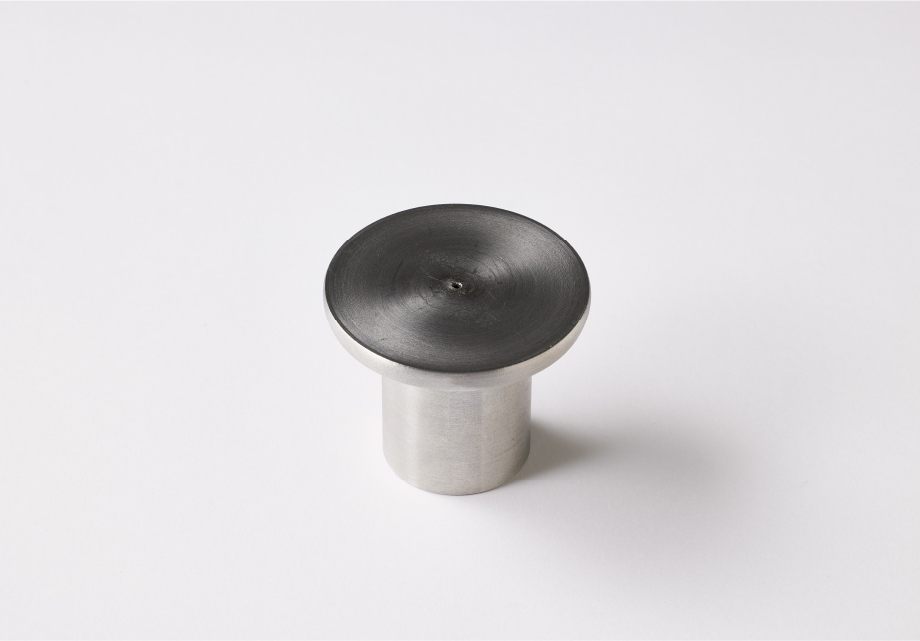
We verified how much a flange-shaped workpiece made of SUS304 can stretch.
--------------------
●Machine used: BAIZOU 30-ton machine ●Material: SUS304 ●Material diameter: φ40 x 10 (flange section) ●Control method: Pressure control ●Orbital angle: 5 degrees ●Orbital speed: 300 (rpm) ●Pressurizing force: 25 tons ●Processing time: 15 seconds
[Workpiece shape change]
●Outer diameter (mm): φ40 → φ52.5 ●Thickness (mm): 10 → 5.15 -
CASE 8Flange forming from black scale round bar (SCM420)
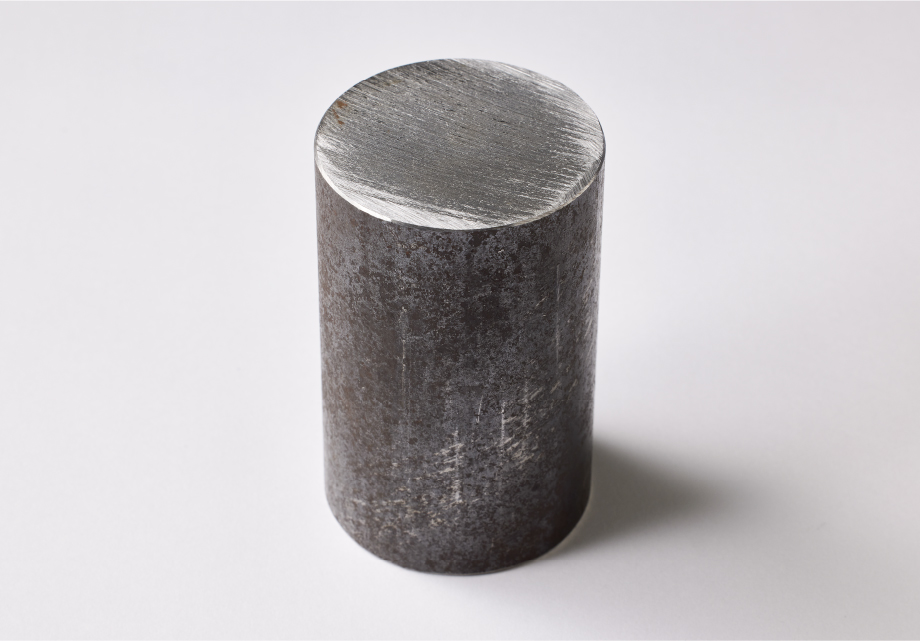
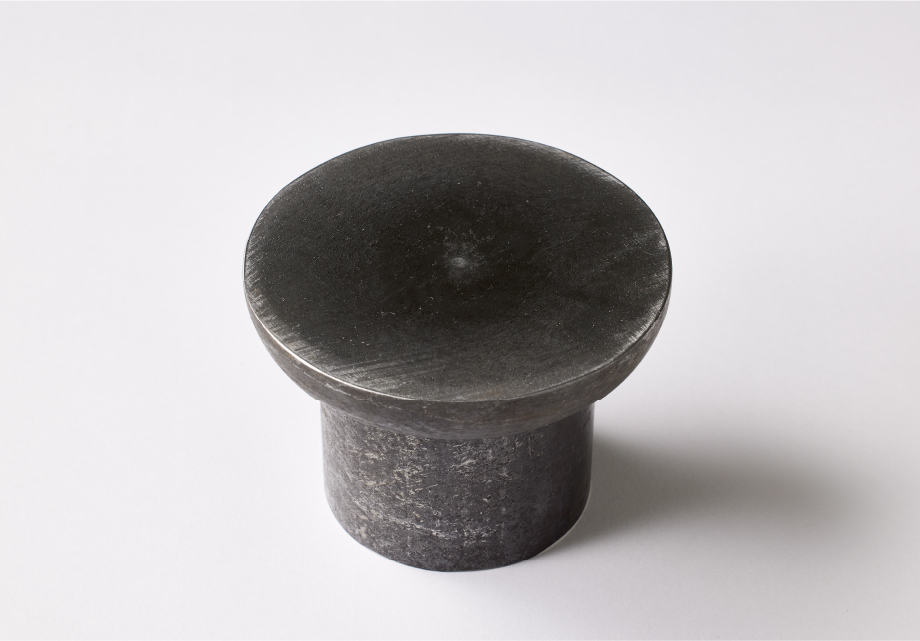
We used a 150-ton forging machine to process a black-skinned round bar into a flange shape.
--------------------
●Machine used: 150-ton forging machine ●Material: SCM420 (black scale) ●Material diameter: φ55 x 80 ●Control method: Pressure control ●Orbital angle: 2 degrees ●Orbital speed: 300 (rpm) ●Pressurizing force: 75 tons ●Processing time: 24 seconds
[Workpiece shape change]
●Outer diameter (mm) / φ55 → φ85 ●Flange thickness (mm) / 14.6 -
CASE 9sample
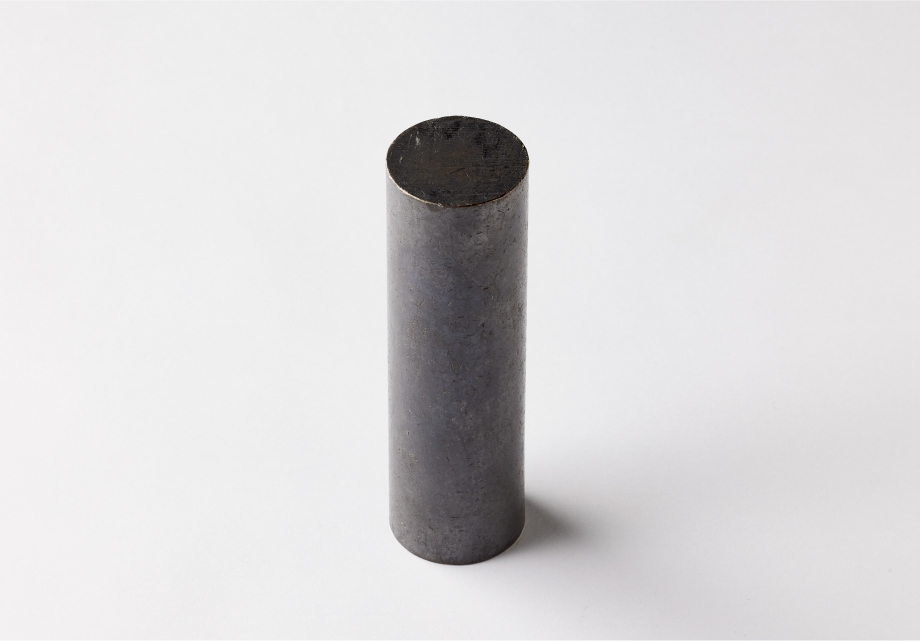
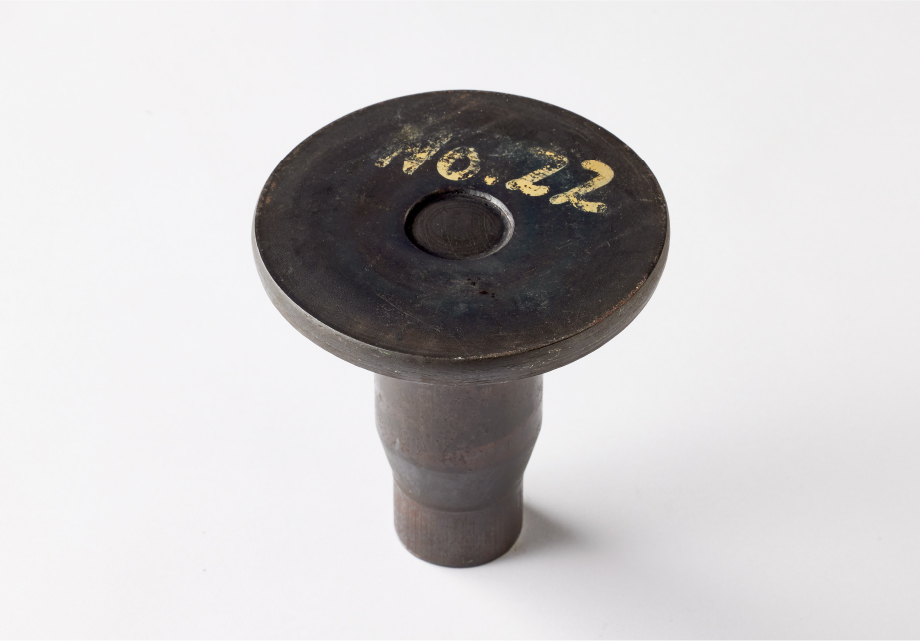
●Machine used: 300-ton forging machine ●Material: S45C (annealed) ●Material diameter: φ40 x 145 ●Control method: Pressure control ●Orbital angle: 0 degrees → 2 degrees ●Orbital speed: 200 (rpm) ●Pressing force: 200 tons ●Processing time: 6 seconds
[Workpiece shape change]
●Outer diameter (mm) / φ40 → φ96 ●Flange thickness (mm) / 10 -
CASE 10sample
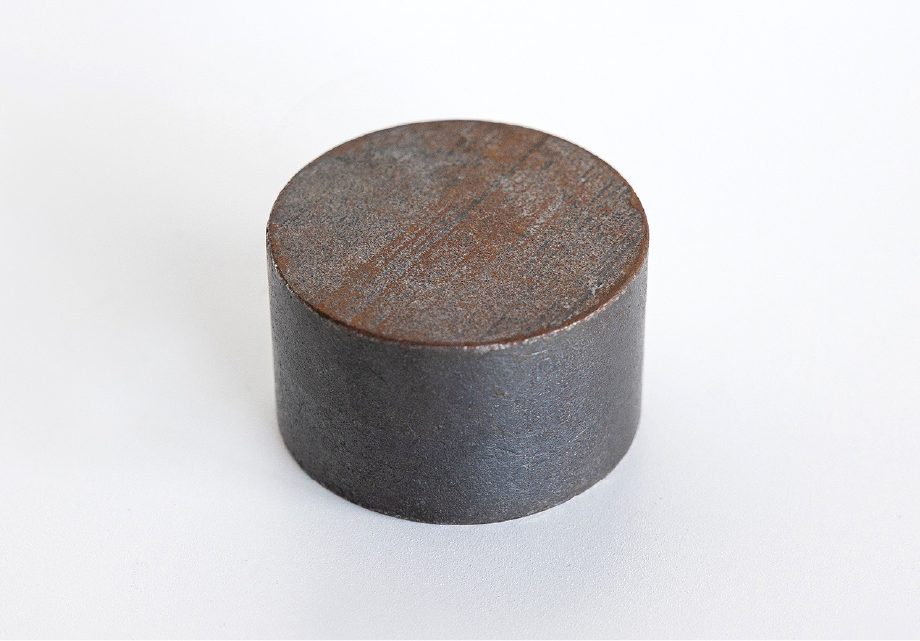
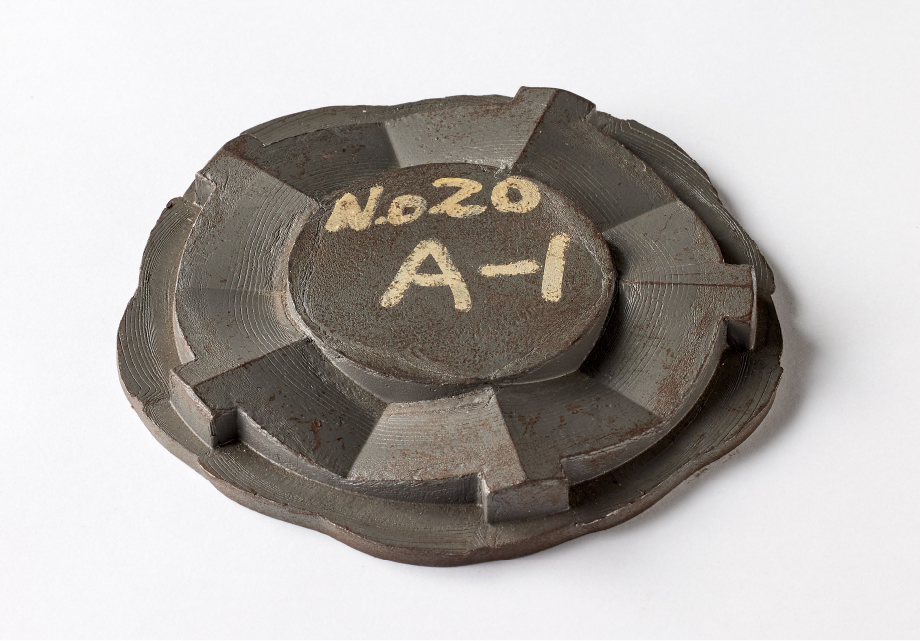
●Machine used: 300-ton forging machine ●Material: S10C (spherical annealing + bonded treatment) ●Material diameter: φ58 x 40 ●Control method: Pressure control ●Orbital angle: 2 degrees forward rotation → 5-petal daisy → 2 degrees reverse rotation ●Orbital speed: 350 → 160 → 350 (rpm) ●Pressurizing force: 200 tons ●Processing time: 15 seconds
-
CASE 11sample
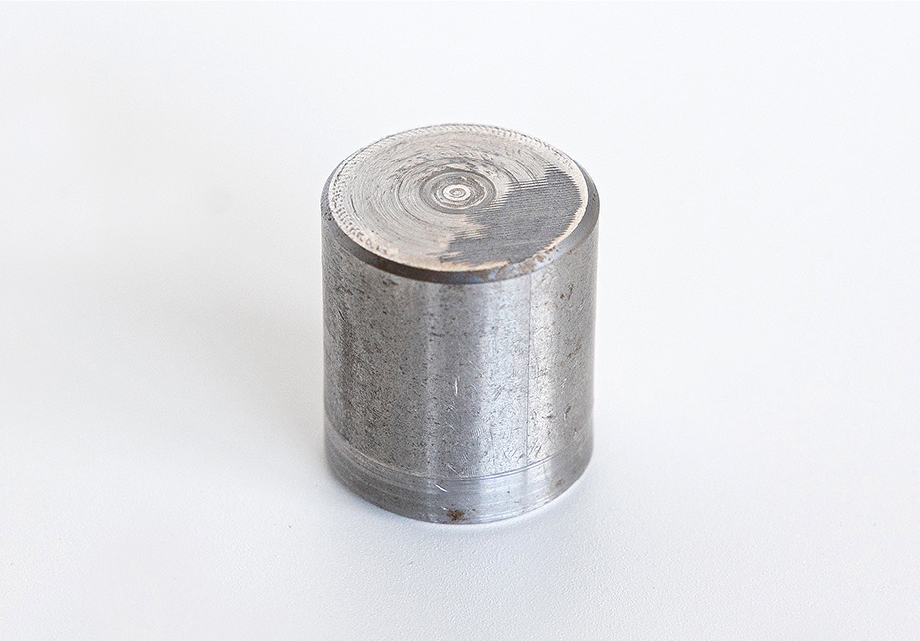
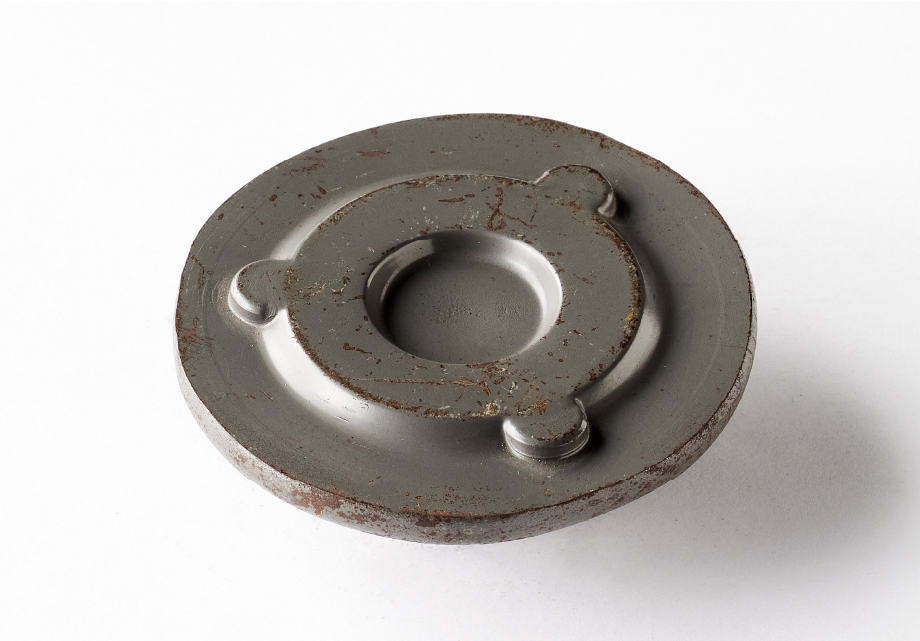
●Machine used: 300-ton forging machine ●Material: SCM415 (spherical annealing + bonded treatment) ●Material diameter: φ29 x 35 ●Control method: Pressure control ●Orbital angle: 0 degrees → 3-petal daisy ●Orbital speed: 160 (rpm) ●Pressurizing force: 200 tons ●Processing time: 9 seconds
-
CASE 12sample
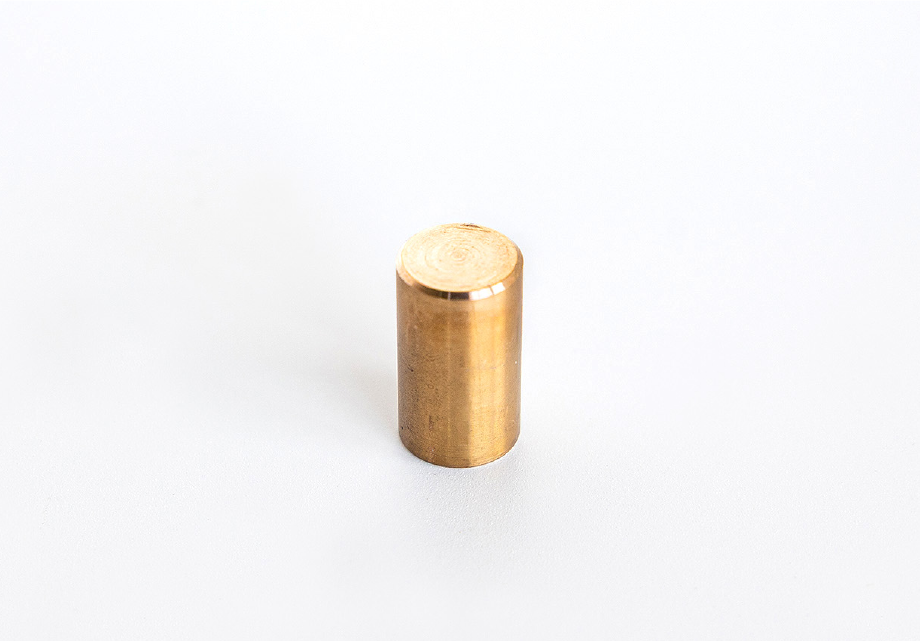
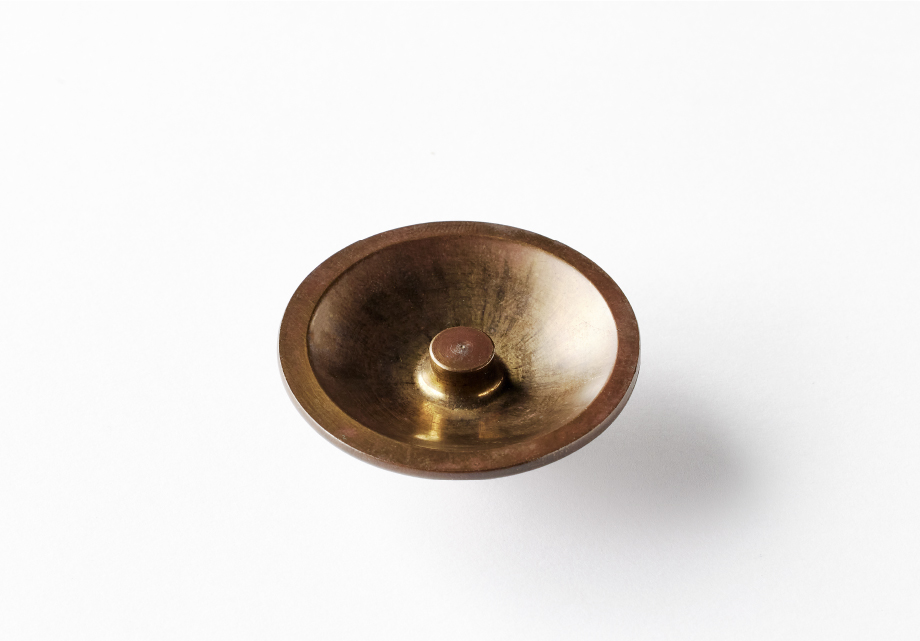
●Machine used: 150-ton forging machine ●Material: Brass ●Material diameter: φ17 x 24 (with φ12.7 x 4 seats) ●Control method: Pressure control ●Orbital angle: 0 degrees → spiral → 2 degrees → spiral → 0 degrees ●Orbital speed: 220 (rpm) ●Pressurizing force: 55 tons ●Processing time: 6 seconds
-
CASE 13sample
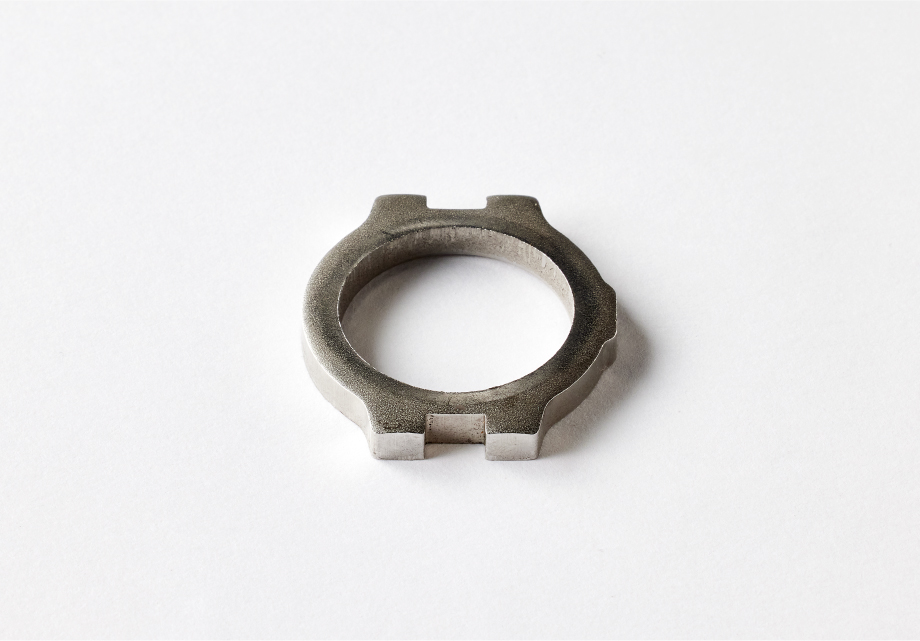
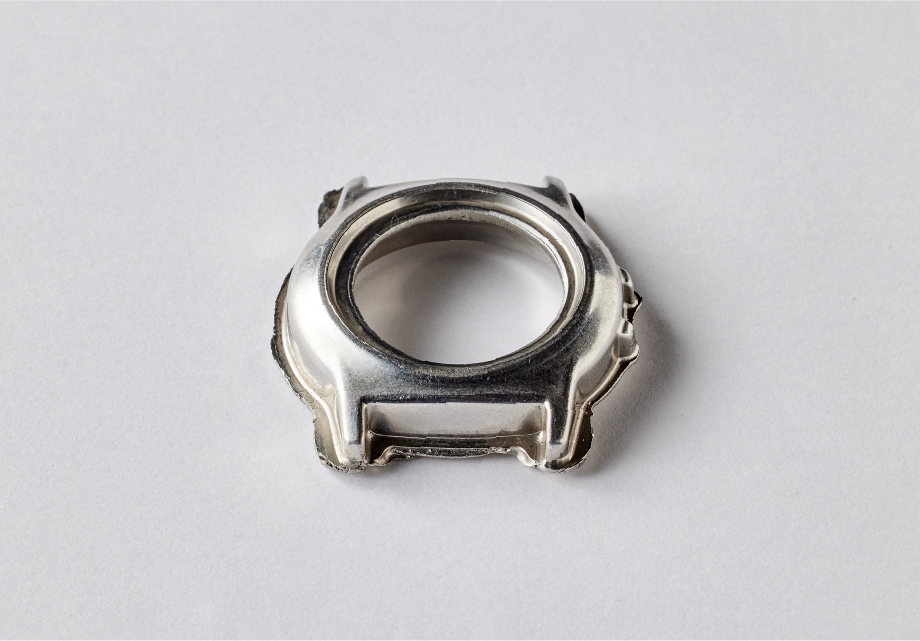
The outer frame of the watch is formed using orbital forging.
Unlike conventional forging, the material is subjected to repeated pressure, resulting in a polished surface and eliminating the need for surface treatment. -
CASE 14sample
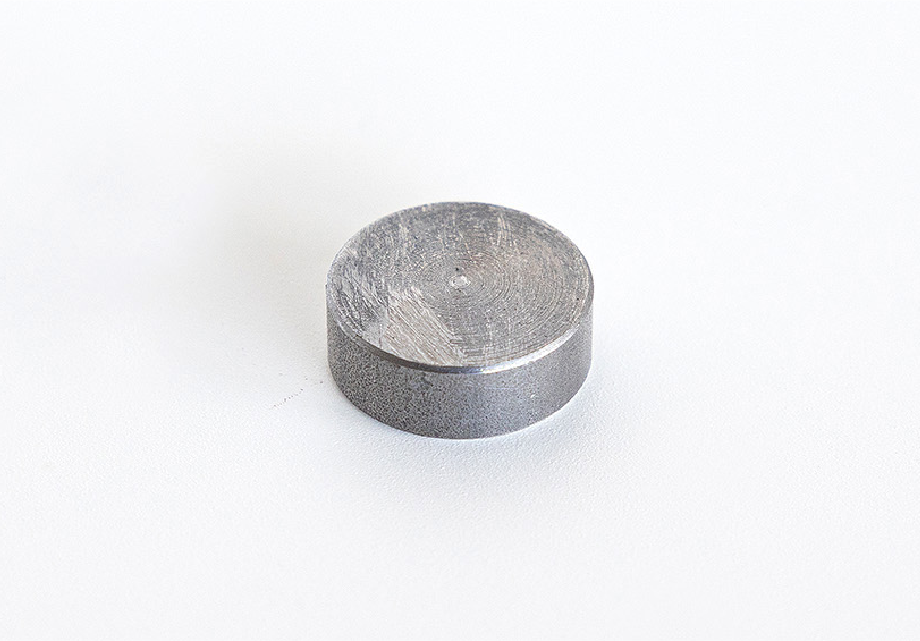
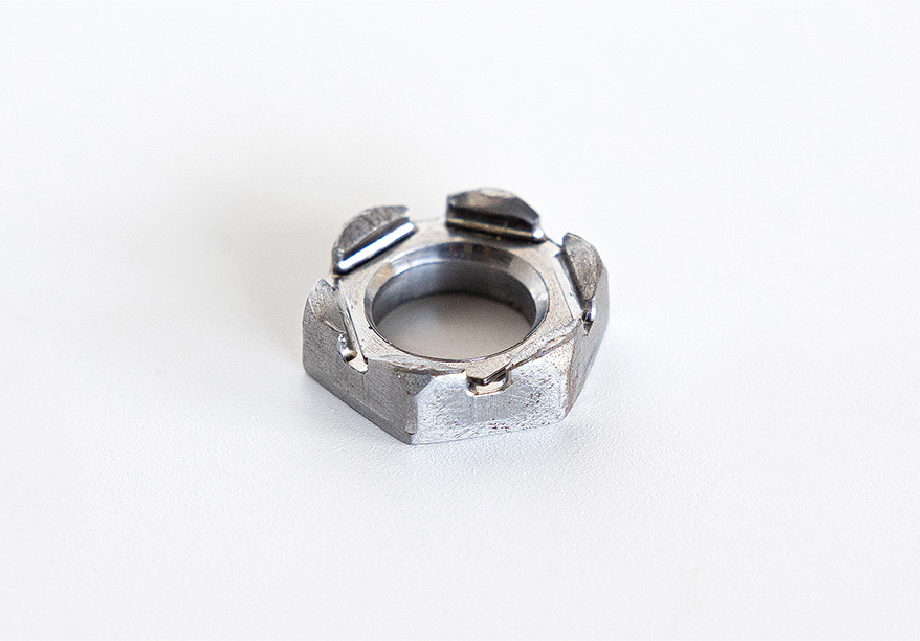
●Machine used: BAIZOU 30-ton machine ●Material: SS41 ●Control method: Positioning control ●Orbital angle: 5 degrees ●Orbital speed: 200 (rpm) ●Pressurizing force: 14 tons ●Processing time: 15 seconds